Waterless cleaning products save water by using advanced chemical formulas that lift and encapsulate dirt without the need for rinsing with gallons of water. Instead of relying on water to wash away grime, these specialised products enable cleaning with only a few spritzes and a microfiber cloth. This process is most widely recognised for car cleaning, where it saves an immense amount of water compared to traditional methods.
Using waterless car wash products can save thousands of litres of water compared to traditional methods. These formulas use specialized cleaning agents that encapsulate and lift dirt for a scratch-free clean with minimal product and no rinsing.
Why Traditional Car Washing Is Hurting Our Planet
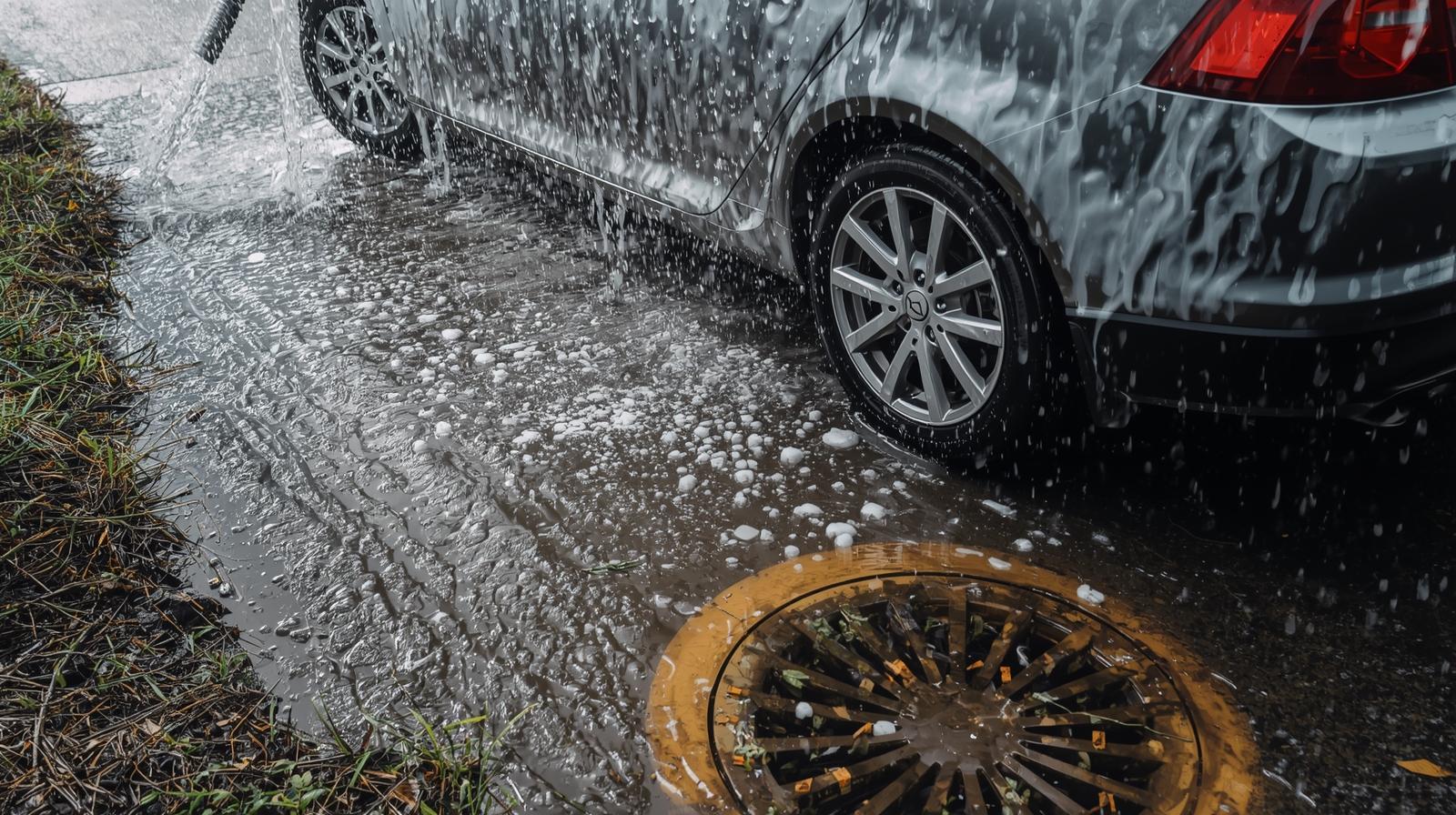
A single traditional car wash can waste hundreds of liters of water and pollute local waterways with chemical-laden runoff, making it a surprisingly harmful habit for the planet. Choosing waterless cleaning methods is a key way to protect water resources and reduce chemical pollution for future generations.
Immense water consumption
The sheer volume of water used during traditional car washes places a significant strain on freshwater resources, especially in areas with drought or water shortages.
- Residential washing: A single wash using a garden hose can easily use over 100 liters of water. Much of this water, along with the dirt and chemicals, runs off into storm drains.
- Professional washing: While some commercial facilities recycle water, many still use and waste substantial amounts. Even with water-saving measures, they use far more than a waterless alternative.
- Water scarcity: As the world’s population grows, fresh water is becoming a scarcer and more critical resource. Using vast amounts for non-essential activities like washing a car contributes to a global water crisis.
Toxic chemical runoff
The soapy water from traditional car washes is not just dirty; it’s a toxic cocktail of chemicals and pollutants that harm the environment.
- Pollutants: This runoff includes soaps, waxes, degreasers, heavy metals from brake pads, and oils. It often flows from driveways directly into storm drains, which lead untreated into rivers, lakes, and oceans.
- Harm to aquatic life: Many common detergents contain surfactants that can destroy the protective mucus layers of fish, damage their gills, and even kill fish eggs.
- Algal blooms: Soaps with phosphates can cause rapid algae growth in waterways. As the algae die and decay, they use up oxygen in the water, harming fish and other aquatic life.
- Treated water: By contrast, commercial car washes typically divert wastewater to treatment facilities. But even “biodegradable” chemicals can be harmful to aquatic life if they enter the environment untreated.
Hidden costs for the consumer and the planet
The financial and environmental costs of a traditional car wash go beyond the initial price tag.
- Wasted energy: Professional car washes and hot water heaters consume a significant amount of energy for pumping and heating water. This contributes to a higher carbon footprint and increased energy bills.
- Paint damage: The abrasive brushes used in some automatic car washes, or dirt that remains on sponges during a residential wash, can cause swirl marks and fine scratches.
- Higher costs: Frequent trips to a professional car wash or high water consumption from washing at home can add up over time.
- Eco-responsibility: Choosing a waterless product is a small but powerful act of personal responsibility. It is a decision to protect the environment and preserve resources for the future, proving that a clean car and a clean planet can be mutually achievable.
Waterless Cleaning Products: What Exactly Are They?
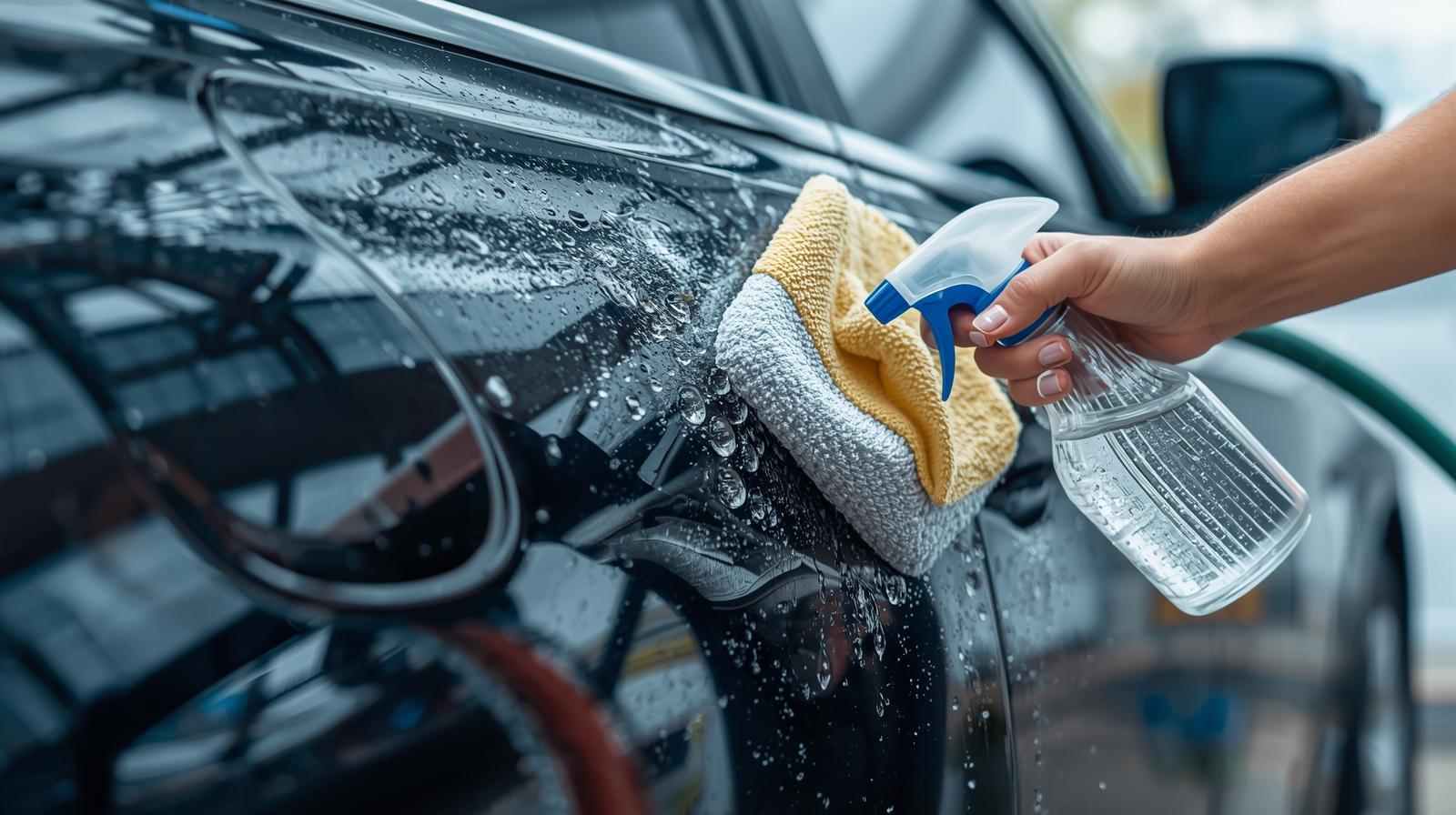
Waterless cleaning products are specialized solutions designed to clean various surfaces, such as vehicles, floors, and countertops, without requiring water for rinsing. Instead, they use a unique blend of chemicals that encapsulate and lift dirt, dust, and grime, allowing it to be wiped away safely with a microfiber cloth.
These products are formulated to offer a convenient, eco-friendly, and efficient cleaning alternative to traditional methods that rely on large amounts of water.
How they work: The chemistry of waterless cleaning
Waterless cleaning products use a specific formula to achieve a clean, streak-free result without water runoff.
- Cleaning agents: Waterless formulas contain powerful, yet often biodegradable, cleaning detergents and surfactants. These agents break down and lift dirt particles from the surface, such as dust, pollen, bird droppings, and road grime.
- Encapsulation: After the cleaning agents lift the grime, lubricating polymers in the formula encapsulate or surround the dirt particles. This prevents them from scratching the surface as they are wiped away.
- Protection: Many waterless products, especially those for vehicles, also contain wax or other protective agents. As you buff the surface with a second cloth, these polymers leave behind a thin, glossy, and protective layer that helps repel dirt and water.
Why choose waterless cleaning products?
- Convenience: Waterless products are easy to use anywhere, as they don’t require access to a hose or water source. They are ideal for quick clean-ups, apartment dwellers, or for cleaning in your garage or a parking lot.
- Eco-friendly: By eliminating the need for water, these products help conserve a precious natural resource and prevent chemical runoff from polluting waterways. Many are also made with biodegradable formulas.
- Paint protection: When used correctly with microfiber cloths, waterless washes are safer for your car’s paint than many traditional methods. The lubricants prevent micro-scratches, and the protective polymers can shield against UV rays and other environmental contaminants.
- Efficiency: The process is typically faster than a traditional wash, and the protective layer can help keep the surface cleaner for longer.
How Waterless Cleaning Saves Water — Real Stats You Can’t Ignore
Zero water usage is at the heart of waterless cleaning, which directly translates into thousands of liters saved per year. Instead of drenching a vehicle in water and producing harmful runoff, these specialized products use advanced chemistry to clean with a minimal amount of spray and a microfiber cloth. This approach is not only environmentally sound but also essential for conserving water, especially in urban areas facing water scarcity.
Here are the real stats that show the power of waterless cleaning:
Water savings by the numbers
The contrast between traditional and waterless car washing is stark when it comes to water consumption:
- Zero water usage: A waterless car wash consumes virtually no water. For products that require rinsing the microfiber cloths, total water use is still less than 1 liter.
- Traditional car wash (average): A typical car wash can use anywhere from 100 to over 300 liters of water. In contrast, a waterless wash can save over 100 liters per cleaning.
The cumulative impact of water conservation
The water saved per wash quickly multiplies into a significant amount over time, demonstrating the enormous conservation potential:
- Your personal savings: If you wash your car just twice a month, you can save over 2,400 liters of water per year.
- City-wide impact: In water-stressed urban areas like Delhi, where residents face water scarcity and pollution, adopting waterless washing can contribute significantly to the municipal water supply.
- Massive global impact: With billions of vehicles worldwide, widespread adoption of waterless products could save trillions of liters of water annually.
The perfect solution for water-scarce regions
The environmental and practical benefits of waterless cleaning are especially important in regions grappling with water shortages:
- No chemical runoff: By eliminating the wash water, these products prevent detergents, oils, and other contaminants from polluting local water bodies, protecting aquatic ecosystems.
- Reduced energy consumption: Waterless washing also reduces the energy required to pump and heat water, decreasing overall energy use and the associated carbon footprint.
- No water restrictions: Waterless cleaning can be done anywhere, anytime, without needing access to a water connection. This makes it a perfect solution for city dwellers and anyone under water-use restrictions.
Make the Switch Today — Choose Eco-Smart Car Care!
It’s time to rethink your car care routine. Switch from wasteful, chemical-heavy car washes to an eco-smart alternative that protects your vehicle and the planet. Dry Wheels offers a convenient, waterless cleaning solution that saves thousands of liters of water and eliminates harmful runoff, all while delivering a stunning, streak-free shine.
Dry Wheels: The smarter way to shine
Dry Wheels products use an advanced, biodegradable formula that:
- Encapsulates dirt: Instead of relying on water to wash away dirt, the formula surrounds and lifts grime from the surface.
- Lubricates the surface: The product provides a lubricating layer that prevents dirt particles from scratching the paint as you wipe them away with a microfiber towel.
- Adds protection: It leaves behind a thin, protective layer of wax or sealant that enhances shine and helps repel future dirt and water.
Why choose Dry Wheels?
- Save water, save Earth: Each wash with Dry Wheels can save over 100 liters of water compared to traditional methods.
- Convenient and easy: Clean your car anytime, anywhere—at home, in your office parking lot, or on the go.
- Eco-friendly and safe: The biodegradable, chemical-free formula is gentle on your car’s paint, plastic, and glass while being kind to the environment.
- Protect your paint: The high-lubricity formula significantly reduces the risk of scratches and swirl marks that can occur with traditional washing.
- Get a lasting shine: Enjoy a professional, streak-free finish that keeps your car looking great for longer.
Make the conscious choice for a cleaner, greener future. Switch to Dry Wheels and discover that caring for your car and caring for the planet can go hand-in-hand.
Upgrade Your Car Care Routine — Save Water & Shine Better with Dry Wheels!
Ready to revolutionize your car care routine? Upgrade to eco-smart cleaning with Dry Wheels and see the difference for yourself. You can achieve a professional-grade shine while saving over 100 liters of water with every wash. It’s the convenient, safe, and responsible choice for keeping your car spotless.
Shop Dry Wheels today and join the movement for a cleaner, greener future.
How do waterless car wash products actually work?
Is waterless car wash safe for my car paint?
Waterless cleaning uses a spray-on formula that loosens and lifts dirt from the car surface. You simply spray, wipe, and buff. The solution contains lubricants and protective agents to clean without scratching the paint.
How do waterless cleaning products help save water?
Yes. Waterless wash products are safe when used with a clean microfiber cloth. They contain lubricants that prevent swirl marks and add a protective shine layer. Suitable for all paint types and colors.
How to save water during car cleaning?
They completely eliminate the need for 100–300 liters of water per traditional car wash. Over the year, switching to waterless cleaning can save thousands of liters of freshwater per car.
Can I make waterless car wash liquid at home?
Use waterless cleaning sprays and a microfiber cloth instead of running water from a tap or hose. Regular dusting helps avoid frequent heavy washes.
How often can I wash my car with a waterless cleaning spray?
You can make a basic solution using safe household ingredients, but homemade cleaners do not provide proper lubrication. For paint safety, it is recommended to use professionally formulated products.
Is waterless cleaning suitable for heavily dirty or muddy cars?
Waterless cleaning can be used 1–3 times per week depending on the dust level and weather conditions. It is ideal for regular maintenance.
Does waterless car wash remove scratches?
Waterless cleaning is best for moderate dirt and daily dust. If the car is extremely muddy or has sand buildup, a pre-cleaning step may be required before using a waterless solution.
Which is the best waterless cleaner for cars in India?
No. Waterless cleaning does not remove scratches. It can reduce the appearance of minor swirl marks by adding a shine layer, but deep scratches require detailing or polishing.